Pothos In The Wild. The global green pothos is also called the global pothos. The name epipremnum is a derivative of the words “epi” and “premon.” together, they roughly translate to “upon tree trunks,” which makes sense, considering that it’s a vine, after all.
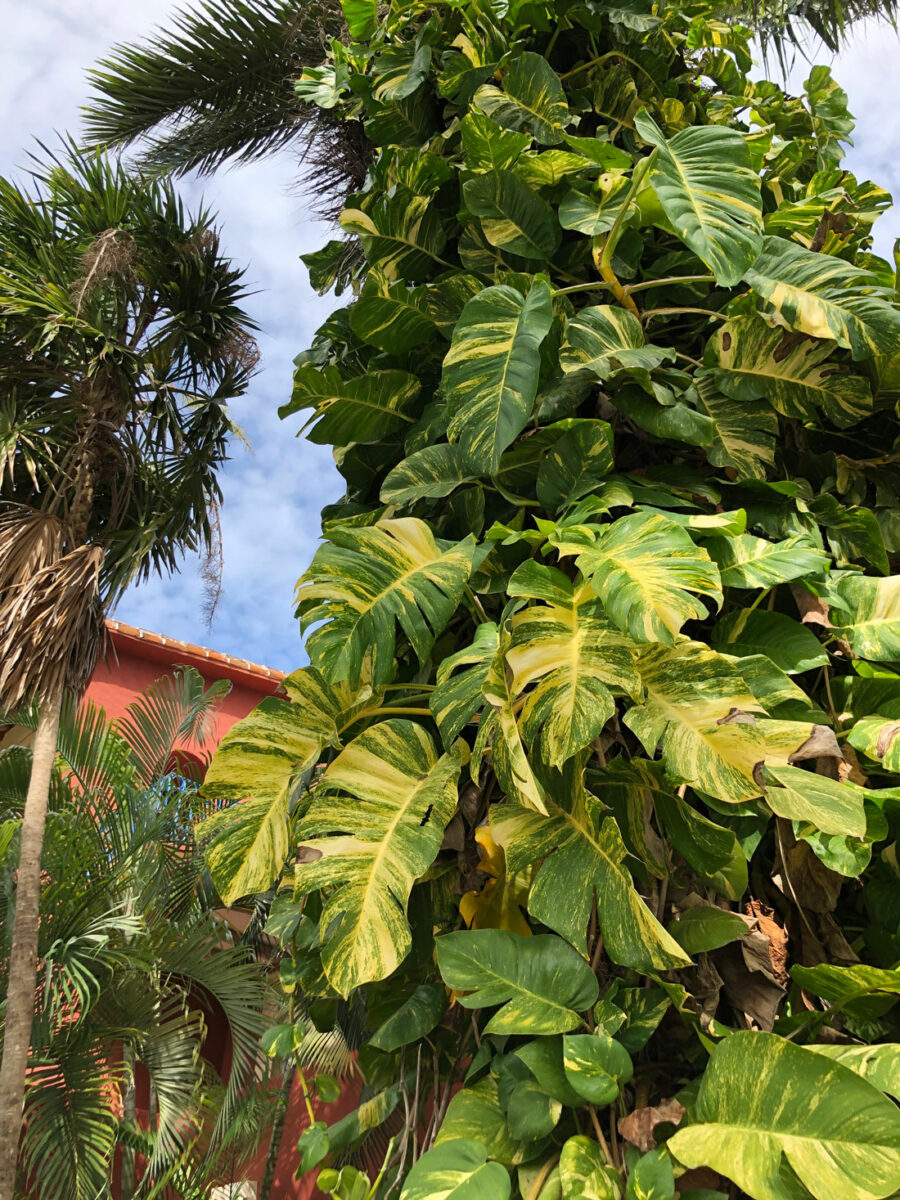
In warm urban areas, they can be found rapidly climbing the exterior walls of buildings using its tendrils and aerial roots. In the wild, pothos grows upwards in search of light. This revision did not put all controversies to rest, however, as the morphological.

These Plants Naturally Grow Under Jungle Canopies And Up The Trunks Of Tropical Forest Trees.
In the home, however, it tends to stay quite a bit smaller: In warm urban areas, they can be found rapidly climbing the exterior walls of buildings using its tendrils and aerial roots. The pothos plant is a trailing, leafy vine that grows up to 40 feet in the wild, and almost the same length indoors.
But You Cannot Expect That Indoors Where The Plant Makes Do With The Little Light It Gets From The Windows And Light Bulbs.
Golden pothos, hunter’s robe, ivy arum, money plant, silver vine, solomon islands ivy, taro vine and devil’s vine. Also known as ceylon creeper, hunter’s robe, ivy arum, money plant and taro vine, pothos is found growing up the trunks of trees in tropical forests in the wild. Pothos is a common type of hanging houseplants of the origin epipremnum aureum family araceae.
But In The Office Or A Limited Space, It Has A Timid Demeanor And Doesn’t Require Much Pruning.
(you can read more about the gibberellin biosynthetic gene here.) in the wild, pothos are understory vines that act as ground cover. For a couple of hours a day, they may experience bright, direct sunshine. These plants put out aerial roots that attach to the bark of trees as they climb towards the dense.
