Devils Leaf Plant. You will achieve the best results by keeping your devil’s ivy plant in a temperature range of 18 degrees c to 24 degrees c throughout the entire year. Euphorbia tithymaloides, also known as the devil’s backbone, is a succulent plant found in southern africa.
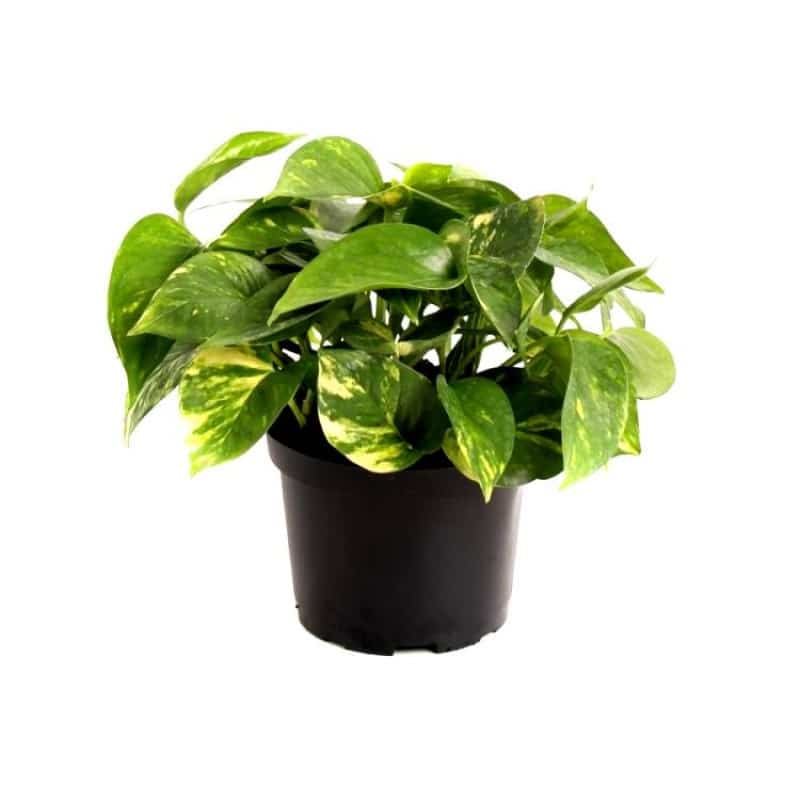
It is noted for its large palmate leaves and erect, woody stems covered in noxious and irritating spines. Devil’s ivy plant is a fast grower and can be grown under any condition, including a dark room. Devils ivy enjoys a light spot but preferably not in direct sunlight or a draught.

It Could Be The Plant’s Age, As Well.
Devil’s ivy plant is a fast grower and can be grown under any condition, including a dark room. Devil’s club is a plant native to the pacific northwest. The yellow flowering type of devil’s claw is a perennial plant but has much the same characteristics.
Look And Characteristics Of Devil’s Claw
While pruning, always use clean. Another says that the devil was given buckwheat and oats, and an angel was afraid that he would abuse the fact that humans relied on those grains. Pothos (also called devil’s ivy) is a tropical vine plant that has adapted well as a hardy houseplant.
The Leaves Can Actually Grow More Than A Metre Long And Will Develop Fenestration (Holes In The Leaf) Similar To Its Cousin The Monstera Deliciosa.
The flowers are quite large, 7 inches long and 4 inches wide, and very fragrant, smelling like honeysuckle. In 1887, norwegian botanist vahl named this plant euphorbias tithymaloides after a greek word meaning “fiery spine.”. (devil's trumpet) datura is a genus of about 10 species of flowering plants in the family solanaceae, which are mainly native to north america.
